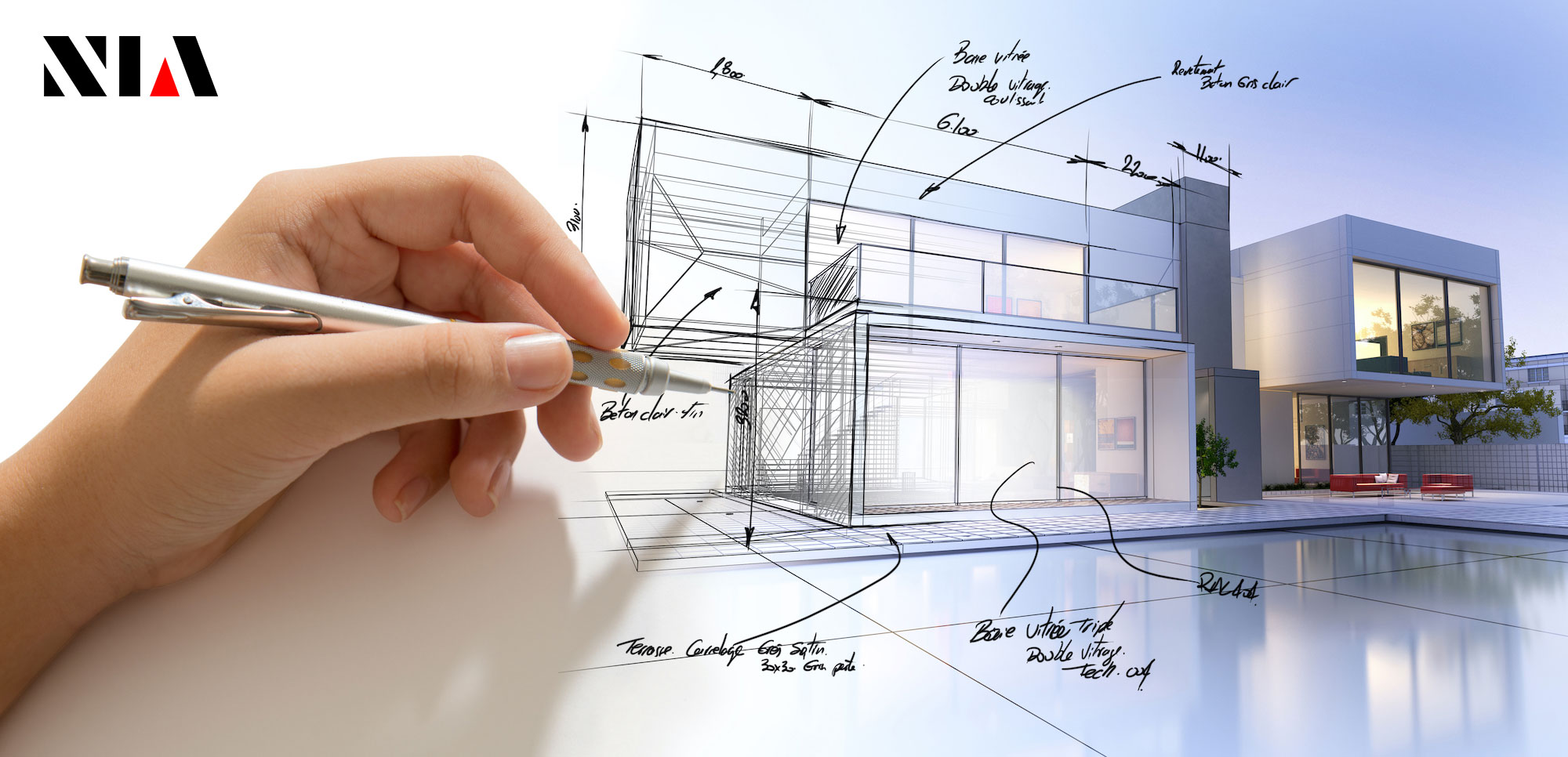
Innovation in Design
Design is the foundation of all construction. Whatever you are building, you are working off a design. Whatever you are selling, you are showing your client a design. For centuries, architects have used paper blueprints and drawings to communicate their products to whoever was buying or building it because there wasn’t an alternative to paper drawings and traditional methods of design.
However, there is now. 3D modeling is a powerful tool that has gained some traction in the construction industry over the last ten years. It is changing the way the industry designs buildings and how they communicate those designs to clients. Today, I’d like to look at how 3D modeling currently affects the construction industry and how it might reshape it in the future.
Architects Today
3D modeling is a relatively new technology when placed up against the centuries-old history of hand-drawing. While new, it is developing quickly and becoming an increasingly viable solution to designing construction projects. It is primarily used by architects to make models of buildings that they want to send to clients or contractors.
The most significant benefit of 3D modeling is that it allows you to detail and provide a better perspective than a drawing. While someone can discern what you’ve drawn from a 2D drawing, a client can experience the building from a 3D model. When an architect has finished a 3D model, they can take their client through the model and show them every detail. So, rather than having a different drawing for every room, an architect has a cohesive picture of the entire space that they have designed.
There are many architectural 3D modeling programs on the market. Ultimately, you will need to research to find the one that is right for you. However, here is a list of five different softwares, with brief highlights showing their strengths.
- AutoCAD Architecture by AutoDesk / helps users design and draft industry-specific designs. It can connect and collaborate through an AutoCAD web app and an AutoCAD mobile app.
- Chief Architect by Chief Architect / 3D architectural home design software for builders, interior designers, architects, and DIY home enthusiasts
- Cedreo by Cedreo / 2D and 3D floor plans and realistic interior and exterior 3D renderings
- ActCAD BIM 2020 by ActCAD / 2D drafting and 3D modelling CAD software meant for engineers
- SketchUp by Trimble / computer program for a wide range of drawing applications such as architectural, interior design, landscape architecture, civil and mechanical engineering
Design of the Future
3D modeling technology is continuing to develop, and these changes will significantly impact the construction industry. One of the changes that I think will be most impactful is the use of virtual reality with 3D models.
3D models alone are already significantly better at conveying information than 2D drawings. However, if you combine virtual reality, you end up with a more immersive experience. Rather than having a customer or a contractor look at a computer model, you can have them wear virtual reality glasses and actually walk through the building. This provides the closest experience to being in a physical structure that someone can have. As it develops, this technology will significantly alter the way architects demonstrate their designs to their clients.
Conclusion
3D modeling is the future of design in the construction industry. It is a powerful, versatile tool that allows architects to show their ideas to clients clearly. More than that, virtual reality’s growing abilities, combined with 3D modeling, will revolutionize the way architects design buildings.