While you cannot predict what the future holds for your business, you can certainly prepare for it. This concept is called future-proofing, and the idea of a future-proof workforce is growing in popularity. And in uncertain and turbulent times, future-proofing is a smart and proactive strategy for organizations.
Also, not only you have to redesign the work that you do in order to be effective and efficient in this digital world, you also have to equip your employees differently so that they can work in new and innovative ways. You also have to encourage them to think differently while drawing on a new and improved toolkit of capabilities.
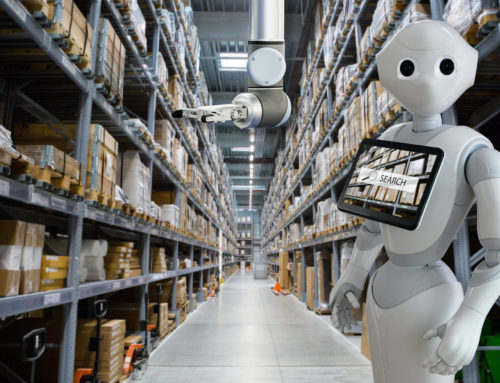
What type of talent will your company need in the next three to five years? You may know that in a stable and routine work environment, this question is relatively easy to answer. However, in today’s complex and volatile world, artificial intelligence, digitization, and automation have considerably moved the goalposts. So, you have to respond accordingly. There is no doubt that these factors are disrupting the nature of work.
Also, the skills and competencies required to thrive in organizations are shifting. As you can expect, this is having a significant and profound effect on both workforce planning as well as the career paths of today’s employees. Future-proofing is great as it can give you a competitive edge in the market, keep you viable and relevant while setting you up for success in the future.
Here are some steps you can take to future proof your workforce.
Help Your Workers Develop New Skill Sets
Did you know that upskilling and reskilling are the most vital steps in preparing adequately for the future of your workforce? This is because it can improve recruitment, performance, retention, and productivity.
However, it is worth mentioning that upskilling and reskilling is a process that often takes two to tango. This is because it requires both employees and management to work closely with the same direction and objective. While your organization can provide opportunities and resources and also take the initiative, your employees also must have the willingness and motivation to learn.
Behavioral Competencies Are More Important than Tech Skills
You should know that many critical competencies for successful digital transformation, like agility, learnability, and business acumen, are often not the same as traditional technical skills that are specific to digital tools and apps. However, remember that most scores on the typical digital readiness model are usually related to the effective adoption and integration of digital technical skills.
For instance, did you know that employees who score high on agility tend to show more positive attitudes when it comes to using various digital tools at work? Digital or technical skills are usually expensive to acquire and are often short-lived.
In contrast, testing for behavioral competencies will help ensure that your employees have the capabilities to adapt to change while learning new and improved skills as your technology and industry change. So, it helps in future-proofing your workforce with more enduring and important capabilities.
Understand What Soft Skills Will Be Crucial in the Future
You should know that soft skills will have to become increasingly human in this digital world. Did you know that creativity or innovation will become one of the top 3 skills employees will need in 2020 and beyond? Although robots might increase productivity and automate various straightforward tasks and activities, they can never be as creative and imaginative as humans.
So, organizations of the future will definitely require more flexibility and agility, and teams that can easily and quickly combine their expertise.
Final Thoughts
You don’t have a crystal ball in order to predict the future. However, the good news is that openness to learning, better communication, and willingness to unlearn can ensure that your workforce stays competitive and relevant, irrespective of what the future looks like.