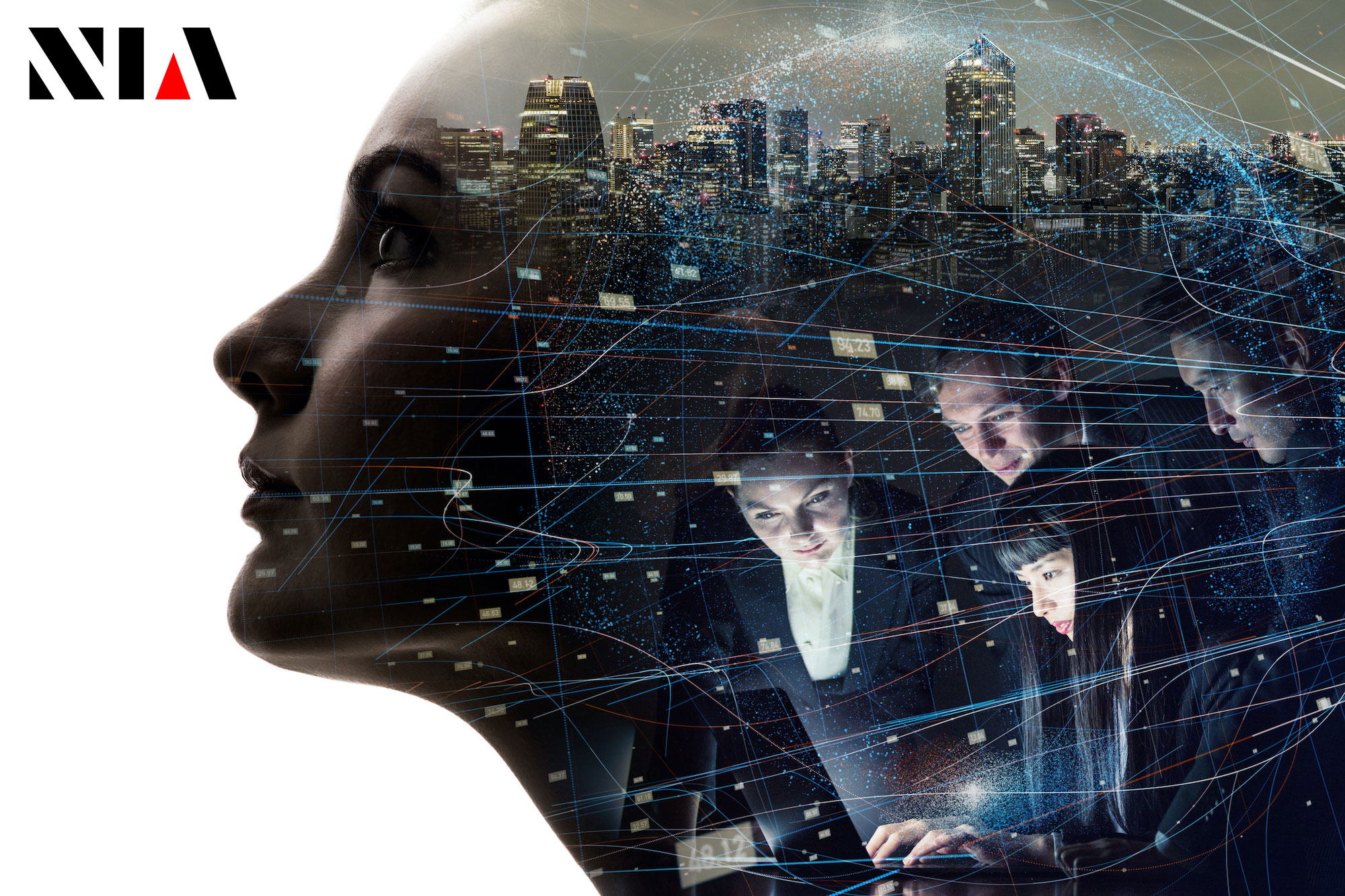
A lot has been said regarding the potential impact of AI (artificial intelligence) on jobs and the future of work. The technology will likely transform the nature of work in your company and the workplace itself. This is because machines will be able to perform more of the tasks and activities done by humans, and it will complement the work that employees do. The great thing is that it may even perform those tasks that humans may not be able to do. So, some occupations will see a decline, others may grow, and many will likely change.
A standard view that many people hold is that many occupations and jobs are ‘at risk’ from AI. And this can potentially lead to job losses on a large scale. Note that research suggests that although there are some risks, there are equally as many fantastic opportunities that will increase both the number as well as the quality of jobs. However, AI and automation will undoubtedly have a significant impact on work. As a result, you need a proper human resource strategy, and HR professionals in your company should play a crucial part in that strategy.
In the next decade, your workplace will be digitalized and datafied. Digitalization is the conversion of information, such as photos and videos, into digital format. You probably know that the future of artificial intelligence in the workplace is now. How can this technology help your company achieve its potential? The technology will automate many work processes in your organization and help employees solve challenging and complex problems.
Recruitment and Onboarding Employees
Before most of us even set foot in the new and digital workplace, it will soon be a norm that AI-enabled machines and tools have played their role in ensuring you hire the right individual for the job. AI is one of the best technologies to improve and streamline your hiring process.
For example, you can leverage the technology in order to quickly find the needle in the haystack. AI will help you by analyzing thousands of social profiles, hundreds of resumes and swiftly detect a list of potential job candidates that can meet your needs.
AI can also automatically interact with these job candidates in an engaging and efficient manner to develop a healthy pipeline of the top candidates. Did you know that AI pre-screening of job candidates before inviting the best candidates for interviews is a highly common practice at many large companies? These companies make thousands of hires on a yearly basis.
Workplace Robots and Chatbots
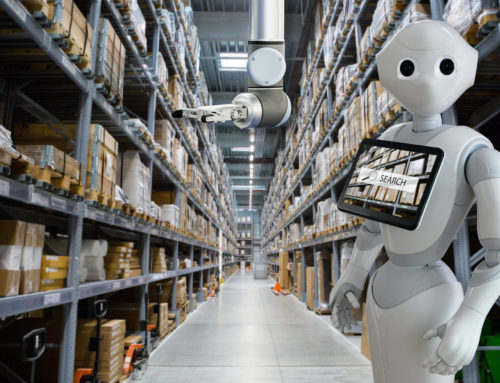
Physical robots that can move autonomously are becoming commonplace in many warehousing and manufacturing installations. And they will likely be a feature of most other workplaces in the US in the near future.
Also, chatbots are yet another AI-enhanced tool. They can deal with a large percentage of basic customer service queries and free up humans who work in call centers so they can deal with more complex and important issues. Chatbots can work alongside humans, not just in the physical sense but also within the back-end of various systems.
Data-Backed Insights and Resources
According to experts, AI gives HR professionals and executives data-backed insights and resources gathered directly from employees. This is valuable as it allows HR professionals in your company to take action and also deliver the employee experience your workforce wants. And this can boost engagement and lower turnover.
Final Thoughts
Artificial intelligence will automate more and more tasks in the coming years. The technology will disrupt, improve and augment many of the current work processes and practices. This will allow humans to focus more on people, such as your customers, and will make your company more humane. So, organizations that embrace and adopt AI will increase productivity and become more efficient.