Few can deny that the coronavirus has forced many organizations and businesses to dive into remote work. And as organizations look forward to an increasingly remote future, it is important that they make changes to adequately prepare their employees and teams. Also, the pandemic has left “non-essential” employers with two main options. As an employer, you can either furlough your workers or send them home to work.
What the Research Says
According to a recent Gartner poll, 48% of employees are likely to work remotely part of the time after the coronavirus versus 30% before the health pandemic. As your company shifts to more remote workers and explores the various important competencies that your workers will need in order to collaborate digitally, you also have to be prepared to adequately adjust employee experience strategies to get the best results.
For example, you will have to consider whether and how you can shift performance goal-setting as well as employee performance evaluations for a remote work context. This is because remote working is here to stay.
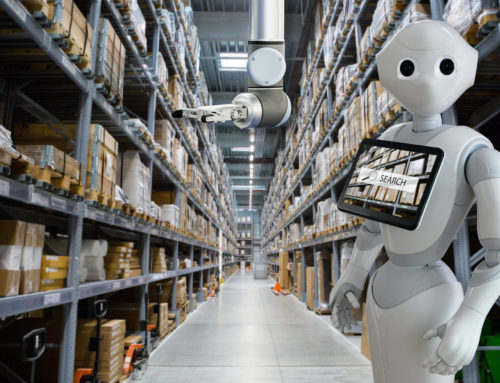
You may know that a narrative has taken hold, especially over the last couple of years, asserting that AI programs, robots, and other technological innovations will dominate the future of work. However, despite the commotion that people are raising over certain new technological innovations, the future of work will increasingly be dominated by remote employees and remote working.
Why Remote Working will become More Prevalent
Remote Workers are More Productive
Did you know that one of the biggest drivers of the pivot to a flexible and remote workforce that is underway in our market currently is that remote workers simply produce better results compared to their conventional counterparts? In the past, many critics of remote working used to think that letting employees work from home would stifle their productive spirit.
However, this is not true as the last couple of years have conclusively proved that workers who spend the majority of their work hours outside of their office are more productive and vastly happier and satisfied.Workspaces and Living Spaces are Merging
Many experts have pointed out that IoT is driving organizations all over the globe to produce services and products, which directly cater to consumers while they can enjoy all the comforts and conveniences of the home.
You probably know that AI home assistants, smart thermostats, and interconnected electric systems have certainly made the modern household a smart home. This is the reason it is so easy and convenient for most employees to directly plug into their workspace while they are sitting in their living rooms or kitchens.
Future of Remote Working
Here are a few of the work-from-home trends that many remote workers and companies will adopt.
Frequent use of Communication Tools
There is no doubt that communication is important to business growth and expansion. So, if you would like your company to make progress while your workers are working from home, you have to ensure constant and timely communication between you and the remote team. Did you know that finding the most suitable communication tool was a challenge for companies some years back?
However, with tech advancements and IT, there are several communication tools and technologies that remote employees can use in 2020 and the future. Some of the popular communication tools are Zoom and Slack.
Remote Work Tools
Several remote work tools are now becoming more sophisticated and advanced. One example is VR. Did you know that VR is showing a lot of promise and has the potential to reshape the modern digital meeting world? Because of the evolution of many VR devices, we will soon explore the frontier of ‘heightened realities,’ especially in the area of professional collaboration.
The Proliferation of Security and Privacy Tools
Remote employees will have to use security tools when working from home in order to ensure their organizations’ and consumers’ data is kept secure and safe. Many security tools, such as 1Password, help you save all your passwords for sites that you log in to and help you automatically log in to these sites the next time you would like to.
Final Thoughts
There is no question that the trend toward remote working is increasing. Also, the last couple of months have provided an international case study into the various benefits and advantages of telecommuting. While COVID-19 was certainly one of the catalysts for the expedited push towards remote work, the trend’s momentum is not expected to slow down soon.