The workplace, as most of us know it, is changing. And the good news is that it is changing for the better. Did you know that various technological as well as social forces, are quickly changing how work is done, and who does it?
Although technology and social forces can make employees more productive, keep in mind that there will likely be considerable turbulence as companies struggle with both the unpredictability and complexity of a changing workforce.
Did you know that according to a 2019 McKinsey study, at least 30% of activities and about 60% of all the occupations are automatable?
These are some of the elements that will transform the future of traditional work.
Collaboration, Creativity, and Communication
We all know that the future of work now demands that your company invests in creating a corporate culture where creativity and collaboration thrive and foster. You also have to encourage communication. Also, it is worth emphasizing that the current and important trend of leading by example now requires this key cultural shift to be driven top-down along with the effective involvement of your C-suite employees, such as CEO and COO.
And collaboration not just refers to the cooperation between functions and teams but also between your business leaders and human resource heads.
More Task Automation
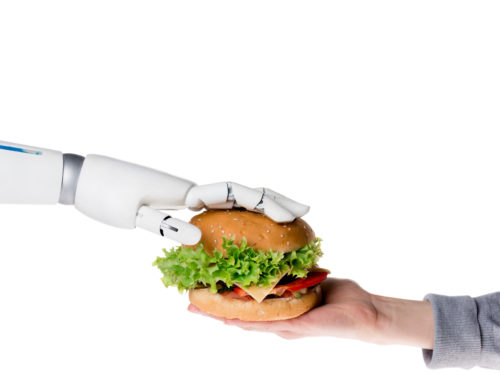
As you can see, more organizations are embracing digital workers to meet their needs. This is why it follows that many low-value tasks will likely be automated in the future. And this will lead to a considerable decline in manual processes and tasks, and that will help free up time and resources for employees to focus on important and high-value tasks.
Diversity
Did you know that the numbers in minority representation and distribution in the workplace have improved in the recent past? And this is a good sign. The best thing is that women are now represented at every level in an organization. However, there is still room for improvement. As a leader, you have a major responsibility to change the future and make the workplace more accessible to as well as inclusive of all gender and ethnic groups.
High-value Tasks are a Priority
You probably know that instead of spending plenty of time sorting or going through documents in order to find relevant information or data, your workers will spend more time on high-value activities and tasks. Some of them are critical and creative thinking, coaching and mentoring others, and connecting with coworkers, associates and clients.
And that is not all; they will also develop new strategies and create action plans. High-value activities and tasks are those that help workers achieve strategic goals and outcomes so that your company can grow in the long run.
Increase in Contingent Workers
According to a recent Gartner survey, almost 32% of companies plan to replace full-time employees with contingent employees as an important cost-saving measure. There is no doubt that employing more gig workers offers employers more workforce management flexibility.
However, it is also important for HR to consider how performance management and appraisal systems apply to these contingent employees while considering whether contingent employees will be eligible for the same perks and benefits as their full-time counterparts.
The Evolution and Transformation of Leadership
As the work, employees, and workplace are changing, leaders and leadership styles also need to evolve and change. For example, with the decline in age-based seniority, there is now growing importance on building relationships and increasing employee engagement. And because of the redesigned managerial structures and the international culture of agility, the type of leaders that companies need has considerably changed.
Final Thoughts
These shifts are significant, so organizations have to adequately prepare for these changes if they would like to stay afloat.